

Strive (ASST) Chief Risk Officer Jeff Walton laid out the bull case for what he called “Digital Credit,” arguing that a single shift in how rating agencies value Bitcoin (BTC) could catapult Strategy (MSTR) from junk status to investment grade.
In his remarks, Walton targeted the gap between how credit agencies score Bitcoin treasury companies and the capital they could unlock.
Bitcoin Valued at Zero on the Balance Sheet
The dominant US credit rating framework, led by S&P Global, assigns BTC a value of exactly zero on corporate balance sheets. Every dollar of dividend and debt-service capacity must be justified as if the holdings do not exist.
S&P gave MicroStrategy a B- issuer credit rating in October 2025, reaffirmed in December with a stable outlook.
The agency cited high Bitcoin concentration, narrow business focus, and low dollar liquidity. Strategy holds over 761,000 BTC worth roughly $53 billion as of this writing.
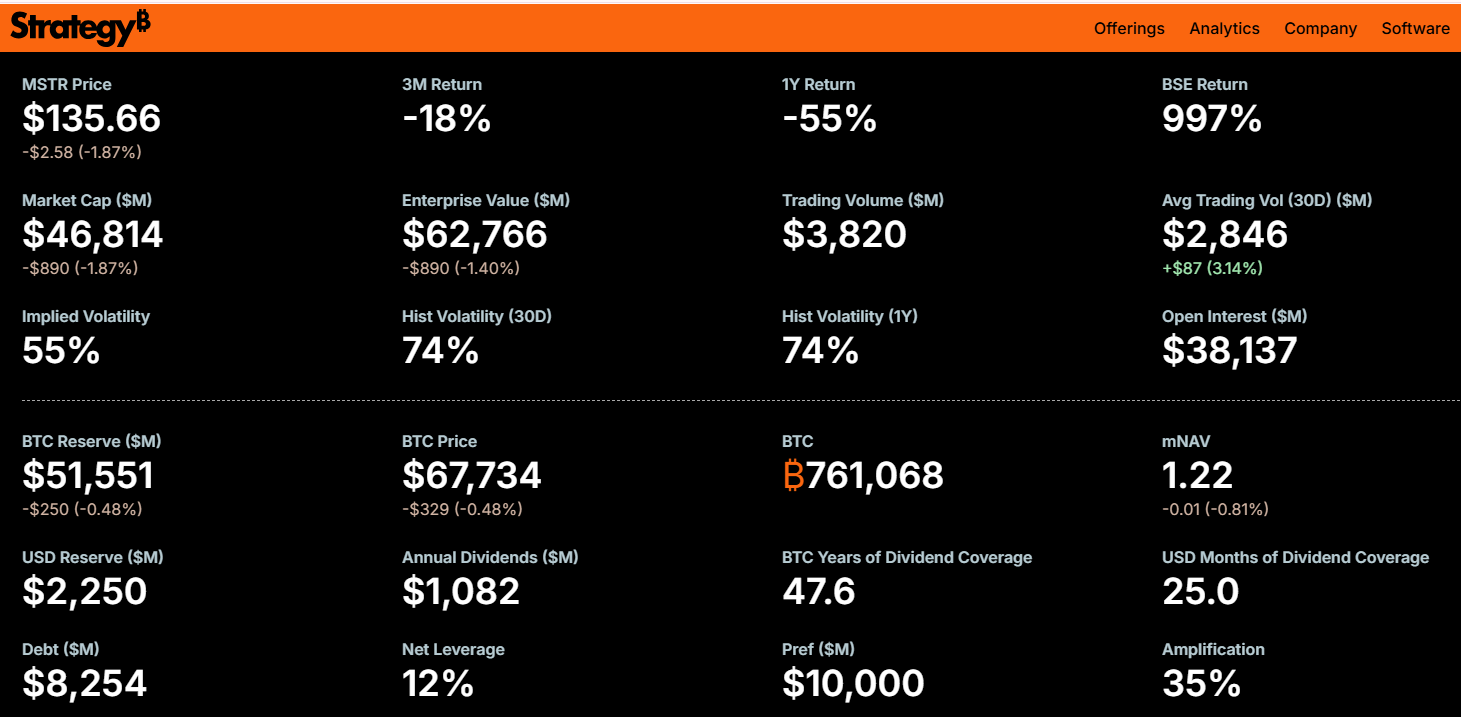
Walton argued that if agencies begin underwriting BTC at any value above zero, MicroStrategy’s rating should elevate to investment grade (IG) territory.
He called this the single biggest threshold separating Bitcoin treasury companies from large-scale institutional capital.
The 5-to-1 Capital Divide
The US investment-grade bond market outweighs the high-yield market by roughly 5 to 1. Crossing into IG territory would give Strategy access to:
- Pension funds
- Insurance companies
- IG bond mutual funds
- Index funds, and
- Bank collateral programs
Walton pointed to recent 2026 bond issuances for scale. Google raised $32 billion, Amazon $37 billion, Oracle $25 billion, and Honeywell $16 billion, all at low IG rates.
An investment-grade Strategy could tap similar markets to accelerate BTC purchases at far cheaper borrowing costs.
Walton added that large portions of BBB-rated traditional corporate debt rely on cash flows that have not yet been stress-tested for AI disruption, margin compression, or rising fiscal drag.
He argued Digital Capital and Digital Credit will reprice risk across the entire credit market.
Strive Has Skin in the Game
Walton is not making this argument from the sidelines. Strive allocated $50 million to Strategy’s STRC preferred stock on March 11, representing over one-third of its corporate treasury. STRC yields approximately 11.5%.
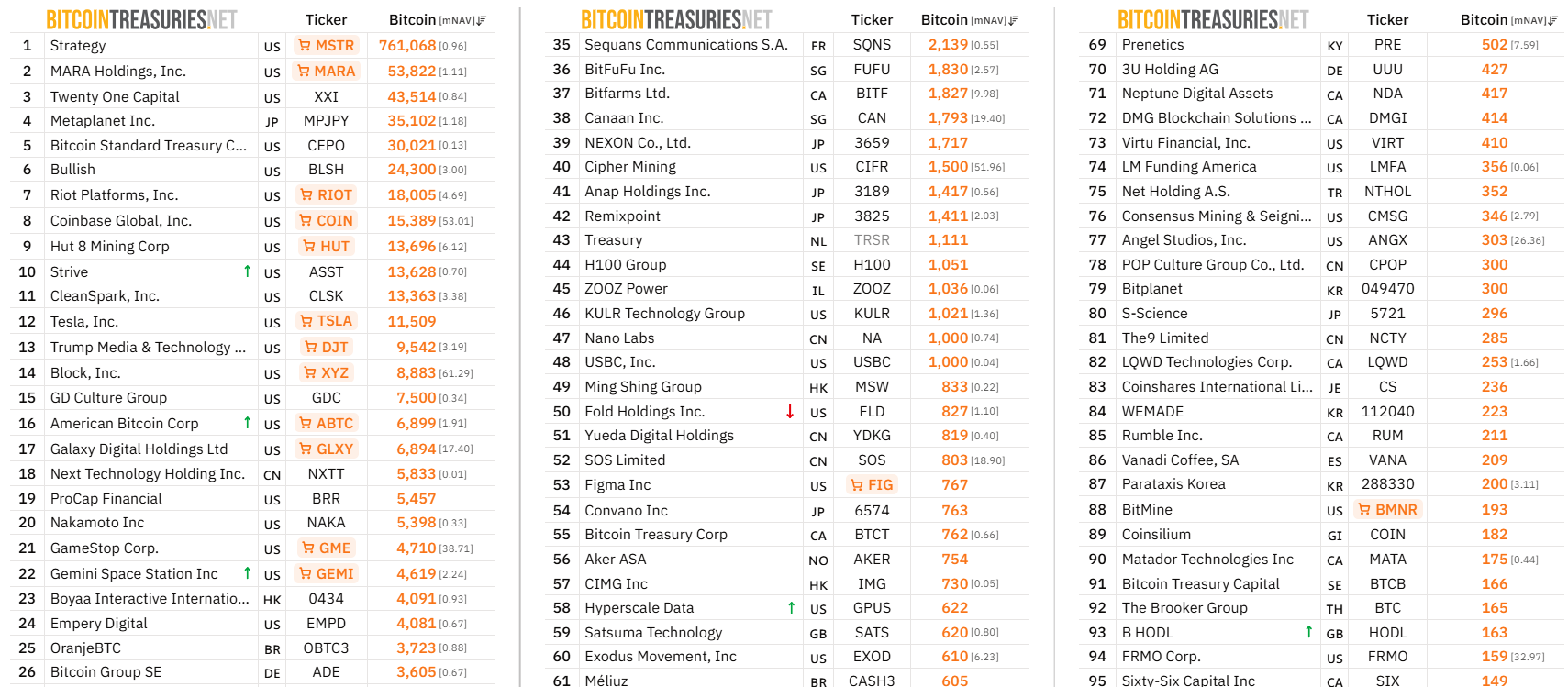
Strive itself holds roughly 13,628 BTC and manages over $2.5 billion in assets through its subsidiary, Strive Asset Management. The cross-holding structure gives both companies direct financial exposure to the thesis Walton is publicly advancing.
Whether rating agencies move toward recognizing BTC on balance sheets remains an open question.
However, the gap between Strategy’s current B- rating and the capital firepower an IG designation would unlock frames the stakes clearly for investors watching this space.
The post Strive’s CRO Explains What Could Send MicroStrategy to the Big Leagues appeared first on BeInCrypto.