Gold has crashed roughly 25% from its all-time high near $5,600, falling below $4,200 per ounce and wiping out over $10 trillion in value. That loss alone equals nearly 7.6 times Bitcoin’s (BTC) entire market capitalization.
The selloff has accelerated despite active US-Iran military tensions and rising inflation, conditions that historically drive demand for precious metals. The disconnect has triggered sharp debate over what is actually driving the move.
Peter Schiff Says the Selloff Makes No Sense
Peter Schiff, the veteran gold advocate and economist, dismissed the crash as irrational, arguing that selling gold because rising inflation may prevent Federal Reserve rate cuts ignores a basic dynamic.
Real rates are already falling, and falling real rates have historically been bullish for gold, not bearish.
According to the goldbug, traders are mispricing the Fed’s stance, with Schiff calling Chair Jerome Powell’s hawkish rhetoric a “false premise” built on the assumption of a strong US economy.
Based on this, he predicts that once higher rates push the economy into recession, the Fed will reverse course with rate cuts and quantitative easing (QE).
Schiff also tied the selloff to fiscal risks. He pointed to Treasury Secretary Scott Bessent confirming the administration’s intent to finance war spending through debt, not taxes.
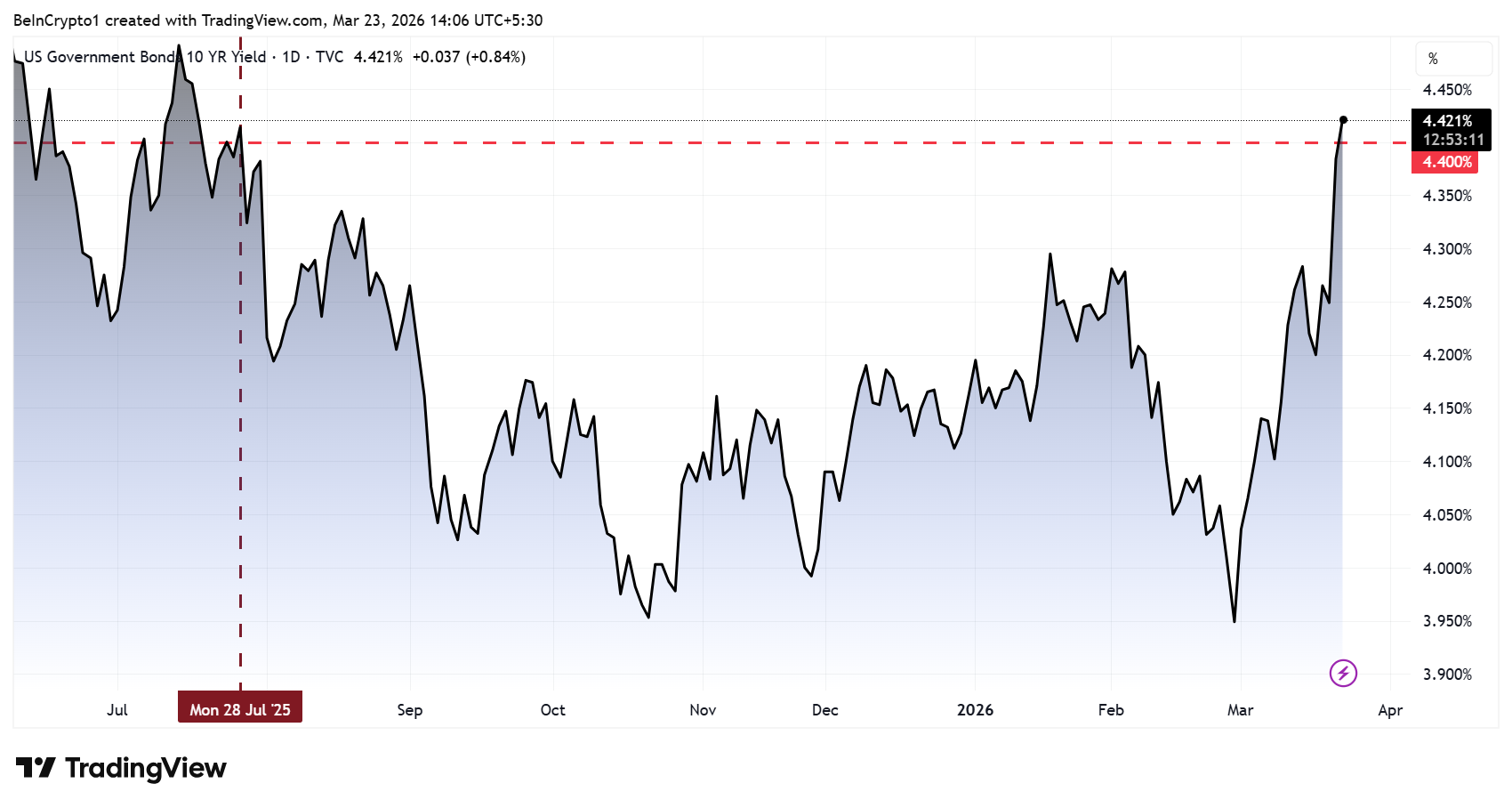
Schiff also warned that exploding deficits, war spending, and 10-year Treasury yields hitting 4.4% for the first time since July 2025 could produce a financial crisis worse than 2008.
Analysts Question the Crash Logic
With gold’s selloff accelerating past 9% in a single stretch, the XAU price has dropped below $4,200. Gold and silver combined have erased $13.5 trillion in 53 days. Silver alone has fallen nearly 50% from its all-time high, hitting a three-month low near $61.
Analyst Kyle Doops described the move as unusual, noting that explanations ranging from forced liquidations to crowded trade unwinding to tighter policy expectations are circulating.
However, his position is that none fully accounts for the severity of the drop while geopolitical risk remains elevated.
“If it were pure liquidation… you’d expect broader risk to look worse. If it were policy… macro doesn’t really scream “tightening shock” here,” he countered.
The analyst suggests that positioning may simply be a reset after a strong run, rather than signaling a structural shift in gold’s role as a safe haven.
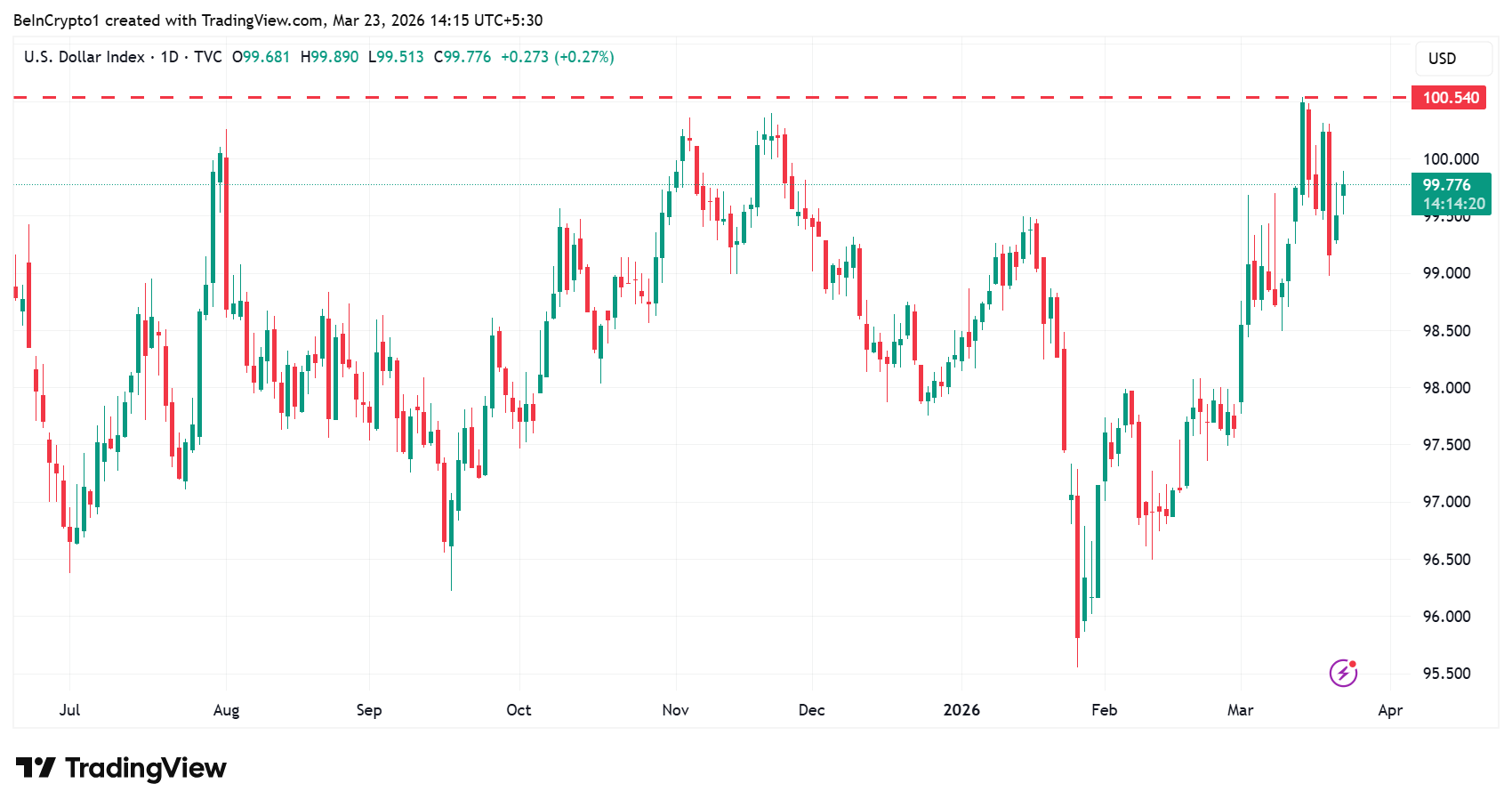
The CME raised margin requirements on gold futures by 10% during the selloff, triggering additional forced selling. Dollar strength, with the Dollar Index reaching multi-month highs near 100.50, added further pressure by making gold more expensive for international buyers.
Whether the crash represents a temporary flush or a deeper repricing of how markets treat inflation, policy, and safe-haven assets remains the open question heading into a heavy macro week.
The post Peter Schiff Blames the Fed as Gold Crashes 25%: Why Market’s Aren’t Buying It appeared first on BeInCrypto.