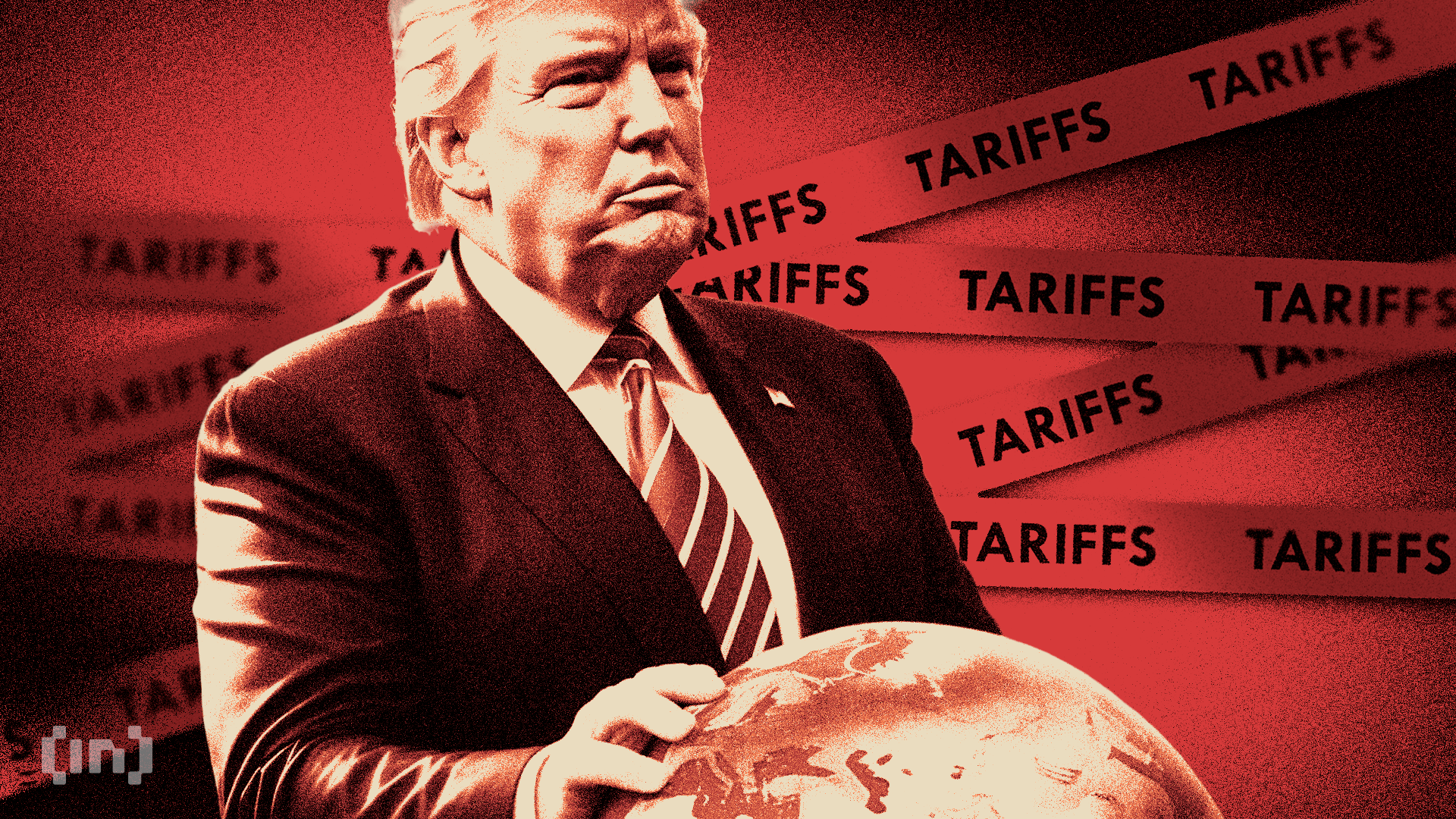
President Donald Trump announced new 25% tariffs on European Union cars and trucks on May 1, 2026, framing the hike as enforcement of the July 2025 trade deal. Some observers speculate Europe’s posture on Iran also played a part.
The duties take effect next week and exempt any vehicles built at U.S. plants. Germany and Italy carry the steepest exposure, while Brussels has not yet confirmed any retaliatory response to the Republican president’s move.
Trade Deal Dispute Sparks the Tariff Hike
Trump cited the EU’s failure to comply with a “fully agreed to Trade Deal” in his Truth Social post. That language refers to the Turnberry framework signed in July 2025. The deal had reduced U.S. auto duties on European cars to 15%.
“The Tariff will be increased to 25%. It is fully understood and agreed that, if they produce Cars and Trucks in U.S.A. Plants, there will be NO TARIFF,” he wrote in the post.
Germany stands to lose the most. Roughly 24% of its car exports head to the United States. BMW, Mercedes-Benz, and Volkswagen rely heavily on the U.S. market. Italian brands such as Ferrari and Stellantis face smaller but real exposure.
Trump highlighted more than $100 billion in new U.S. plant investment. He argued the tariffs push automakers to build domestically.
Iran Speculation Adds Political Subtext
As markets digest the implications of Trump’s tariff decisions, some users speculate that it is tied to U.S. pressure on Europe over Iran.
“Europe just stabbed America in the back. Macron, Starmer & Germany screamed “Not Our War!” and refused to support the US against Iran — after decades of America carrying NATO on its back. They just handed Trump the PERFECT excuse to BLOW UP NATO and put America First. Europe’s weakness and ingratitude finally killed the golden goose. We have no one to blame but ourselves,” one user commented.
The EU (and most major European countries) largely rejected or declined Trump’s calls for direct military/help with the Iran conflict, particularly regarding the Strait of Hormuz.
- Germany: Explicitly ruled out military participation. Defense Minister Boris Pistorius echoed: “This is not our war, we have not started it.”
- France: President Emmanuel Macron called forcible reopening ideas “unrealistic” and pushed back on U.S. inconsistencies.
- UK and others: Similar reluctance; some discussed limited post-conflict or diplomatic roles but avoided direct combat involvement during active hostilities.
- Broader EU/NATO: No joint military deployment. Some countries reportedly restricted U.S. use of bases or flyover rights for Iran-related operations.
Initially, President Trump weighed a plan to relocate US troops away from NATO countries he considers “unhelpful” in the Iran conflict.
Secretary of State Marco Rubio said the administration would need to reexamine NATO’s value.
Trump himself has called some allies “cowards” and labeled the alliance a “paper tiger.”
He has previously threatened 25% duties on nations doing business with Tehran. He also raised the possibility of 50% tariffs on countries arming the regime.
In the Friday post, the President did not link the auto tariffs to Iran in the Truth Social post. The text references only the EU trade deal and U.S. manufacturing investment.
Markets and EU leaders will watch closely for any clarifying signals from the White House.
The next move belongs to Brussels, which has prepared retaliation lists in past disputes. Whether EU leaders treat this as a negotiating tactic or as cause for escalation will shape the pace of any new agreement on autos.
The post Trump Imposes New Tariffs on EU: Punishment For Not Helping with Iran? appeared first on BeInCrypto.