
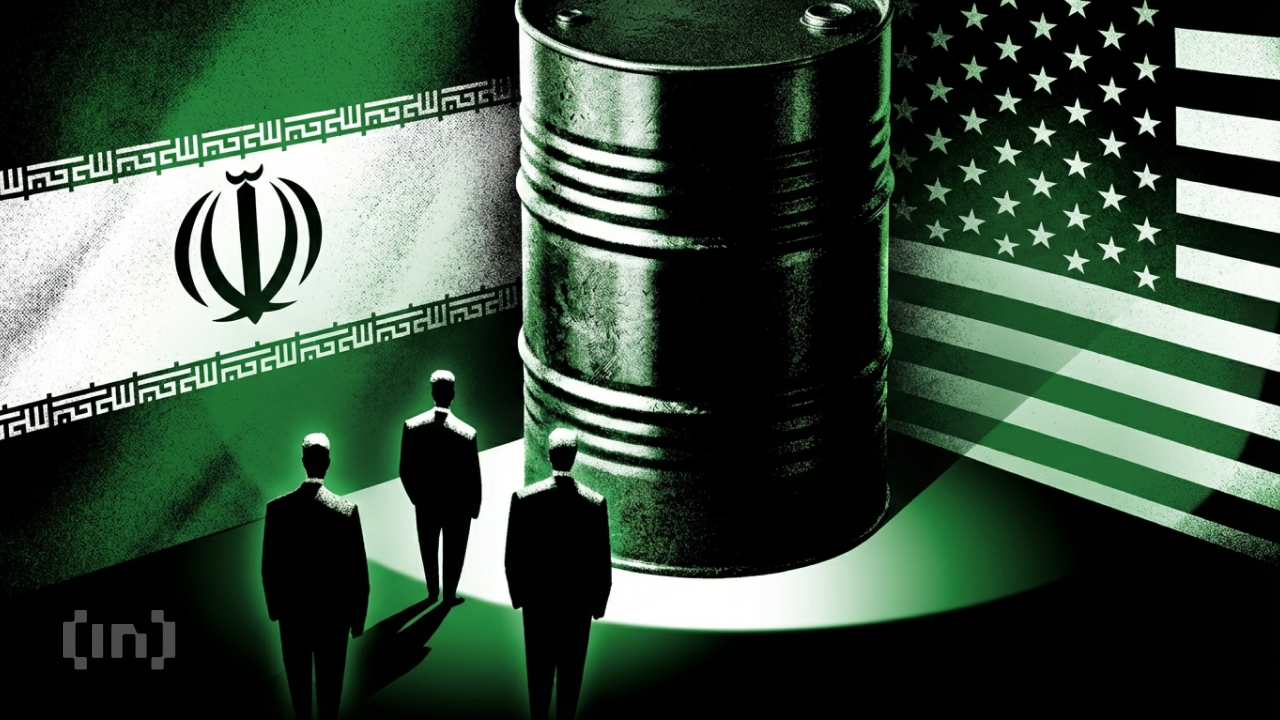
The Middle East conflict has pushed global fuel markets to a breaking point. Many countries are activating energy conservation measures as the Strait of Hormuz remains effectively closed to most shipping traffic.
Brent crude has traded above $100 per barrel for much of March, up more than 32% since the US-Israeli military campaign against Iran began on February 28.
Australia’s Fuel Emergency Deepens With Hundreds of Stations Out of Fuel
Australia is facing some of the most severe consequences of the global fuel crunch. Data highlighted by The Kobeissi Letter shows that more than 500 gas stations across the country have completely run out of fuel.
New South Wales remains the worst-hit state, with 187 stations out of diesel and another 32 entirely drained of all fuel types. In Queensland, 55 stations have no diesel left, while 35 others have run out of regular unleaded.
Victoria is grappling with shortages at 134 stations, with one or more fuel grades missing, and South Australia has reported disruptions at 49 locations.
Follow us on X to get the latest news as it happens
Philippines, South Korea, Kenya Scramble as Global Fuel Shortage Escalates
BeInCrypto reported that the Philippines responded with even more drastic action. President Ferdinand Marcos Jr. signed Executive Order 110, declaring a state of national energy emergency.
Meanwhile, other nations, such as Bangladesh and Pakistan, have taken measures to reduce fuel consumption.
South Korea raised its resource security warning to Level 2 and began enforcing a mandatory five-day vehicle rotation system for the public sector. Roughly 1.5 million vehicles are subject to the license plate-based restrictions, expected to save about 3,000 barrels of crude oil daily. Seoul is also rushing five nuclear reactors back online to cut demand for liquefied natural gas.
In Kenya, about 20% of independent fuel outlets have reported shortages. Martin Chomba, chairman of the Petroleum Outlets Association of Kenya (POAK), warned that dealers may begin stockpiling fuel in expectation of rising consumer prices. This move could further tighten availability.
“We have constrained supply … in two weeks it will be a total crisis with no fuel in most outlets if the tension in the Middle East continues,” Chomba said.
Panic Buying Overwhelms Indian Fuel Stations
Meanwhile, panic buying hit parts of India despite government assurances. Several cities saw fuel demand surge.
State-owned oil companies, including Indian Oil Corporation and Bharat Petroleum, insisted stocks remain adequate and urged citizens not to believe social media rumors.
To shore up supply, Indian refiners secured roughly 60 million barrels of Russian crude for April delivery at premiums of $5 to $15 above Brent. India’s Reliance Industries has reportedly snapped up 5 million barrels of Iranian crude, taking advantage of a temporary window after Washington lifted sanctions on the oil.
In a parallel diplomatic win, Iran’s Foreign Minister Abbas Araghchi stated that Iran has permitted passage for vessels from “friendly nations,” including India, Russia, China, Pakistan, and Iraq.
The selective reopening may ease pressure on some Asian importers. However, with ships from the US, Israel, and allied Gulf states still barred from transit, global supply chains remain fractured.
Subscribe to our YouTube channel to watch leaders and journalists provide expert insights
The post Strait of Hormuz Closure Triggers Fuel Crisis From Australia to the Philippines appeared first on BeInCrypto.