

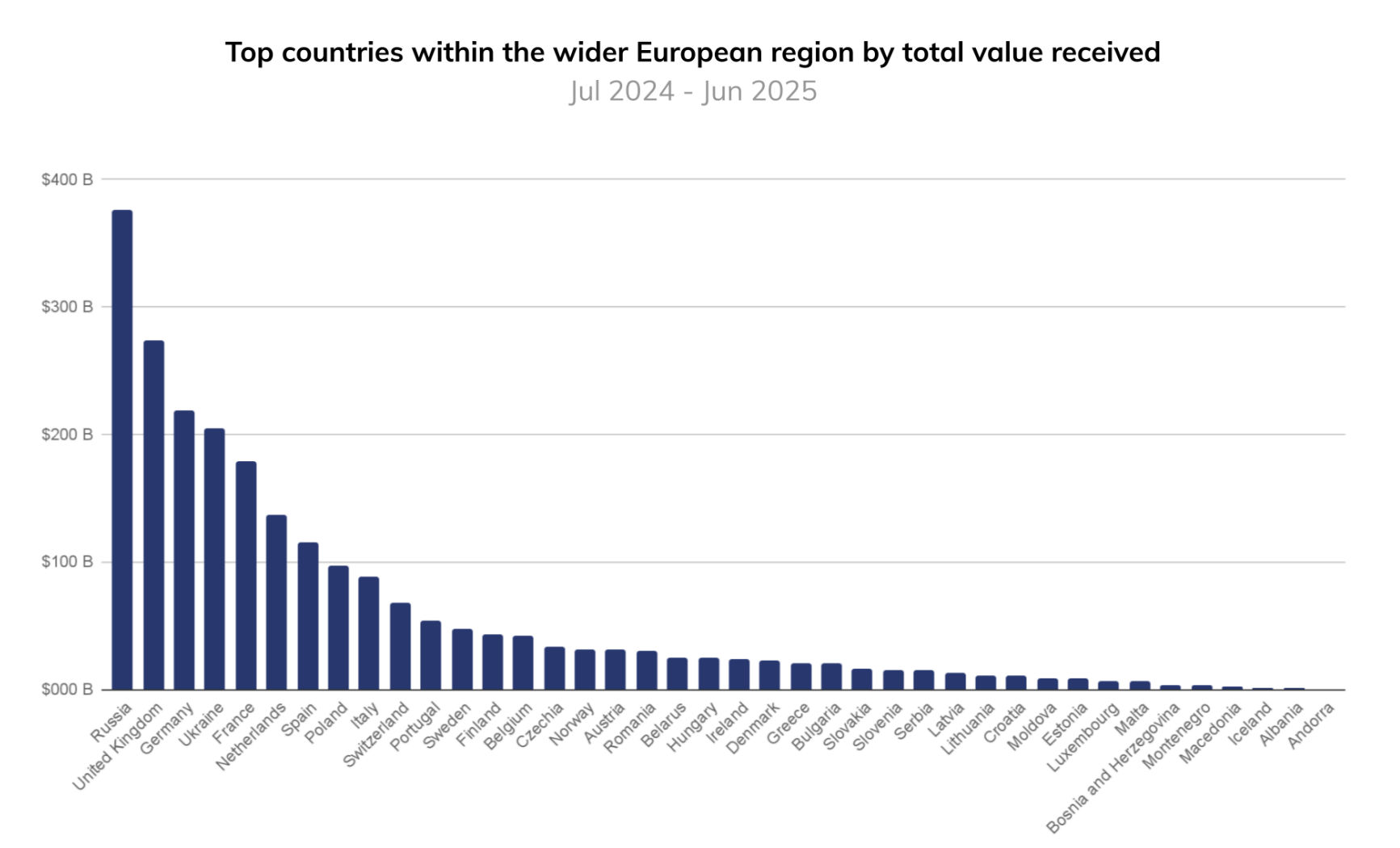
Although MiCA has challenged crypto growth in Europe over the past year, the digital asset industry is still worth over $250 billion in the region. And a large part of this adoption is being driven by Neobanks.
This ranking evaluates the top five European neobanks based on user scale, crypto product depth, geographic reach, and integration into everyday finance as of March 2026. Most platforms do not disclose trading volumes, so the focus remains on distribution and usability rather than speculative activity.
| Rank | Neobank | Users | Crypto Access | Tokens | Key Strength | Key Limitation |
| 1 | Revolut | 50M+ | Native (in-app trading, staking, Revolut X) | 100+ | Largest scale + full crypto suite | Regulatory complexity across markets |
| 2 | N26 | 8M+ | Native (via Bitpanda integration) | 200+ | Strong EU adoption + simple UX | Limited advanced trading features |
| 3 | bunq | 12M+ | Native (via Kraken partnership) | 200+ | Fast rollout + multi-market expansion | Still scaling user base vs rivals |
| 4 | Monzo | 9M+ | Indirect (external exchange integrations) | N/A | Large UK base + compliance focus | No native crypto monetization |
| 5 | Lydia | 7M+ | Indirect (partner-based access) | N/A | Strong retail engagement (France) | Limited geographic scale |
1. Revolut — Scale and Product Depth
Revolut leads the European market with more than 50 million users globally, making it the largest neobank offering crypto services.
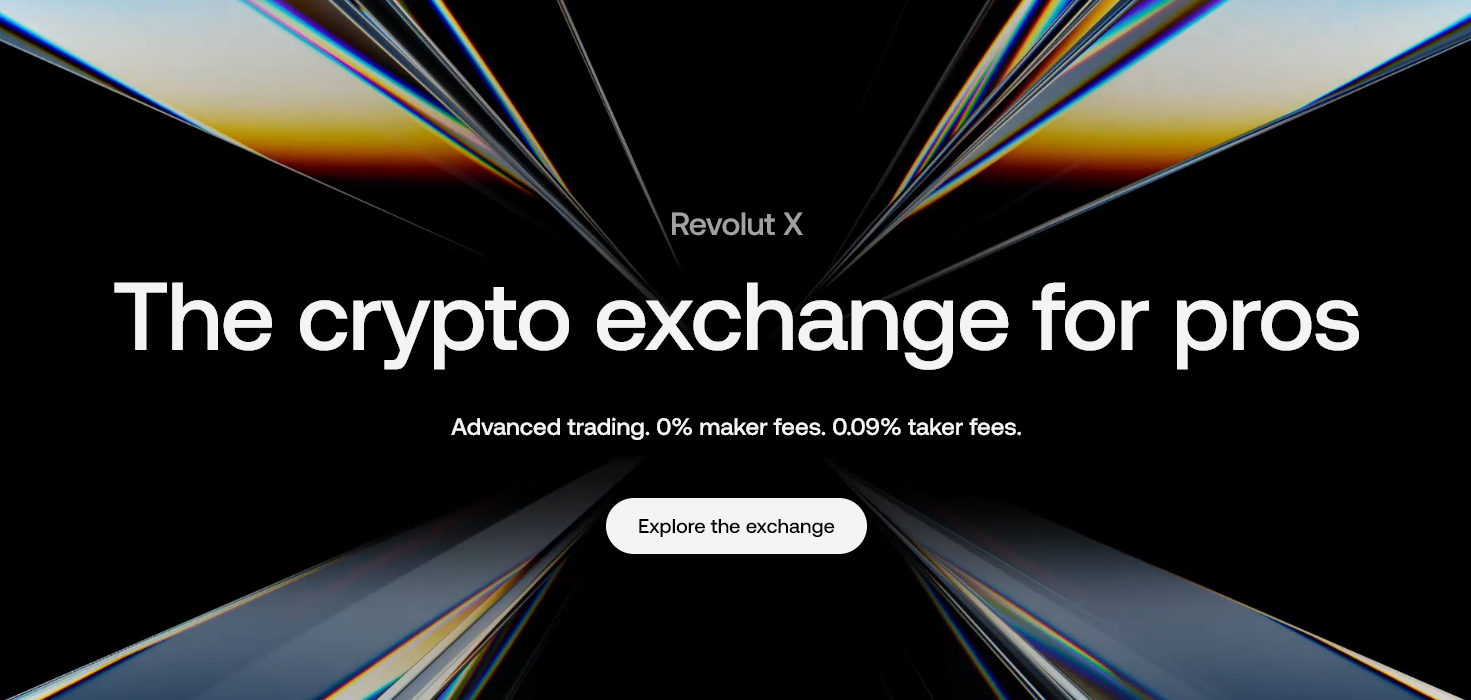
Its crypto suite is the most advanced among peers. Users can access 100+ tokens, along with staking, recurring buys, and an advanced trading platform (Revolut X).
Crypto sits at the core of Revolut’s financial super app. The platform combines scale with deep functionality, making it the most complete crypto offering in European neobanking.
2. N26 — Simple Access at Scale
N26 has built a strong presence across Europe with over 8 million users. Its crypto product, launched in partnership with infrastructure providers, offers access to 200+ tokens.
The focus remains on simplicity. Users can buy and sell crypto directly within the banking app without complex interfaces.
N26 prioritizes ease of use over advanced features. This approach lowers the barrier to entry, making crypto accessible to everyday banking customers across the EU.
3. bunq — Fast Expansion Strategy
bunq has grown to more than 12 million users and expanded its crypto offering across multiple markets.
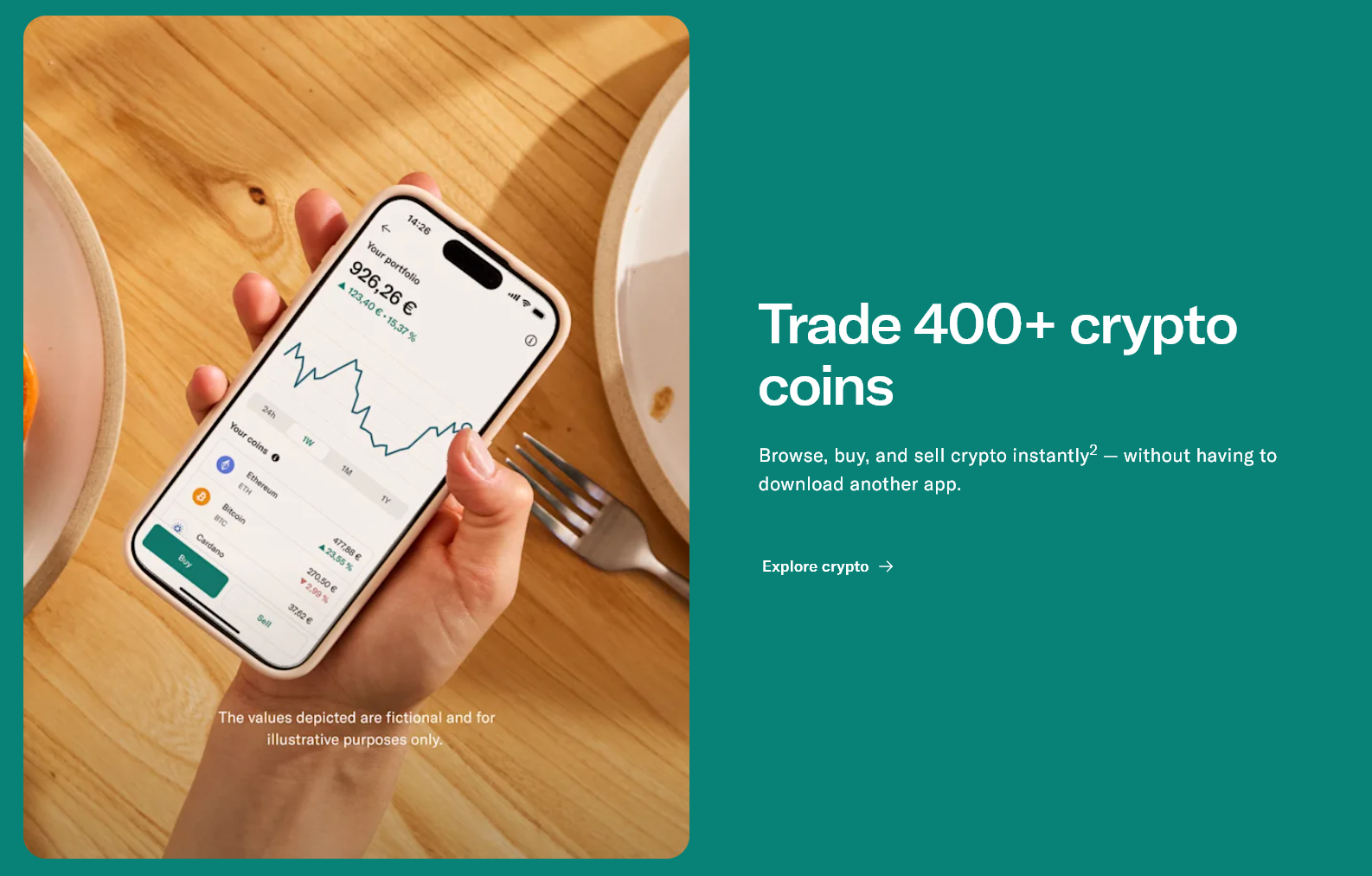
Through partnerships with established exchanges, bunq provides access to 200+ tokens within its app. It has moved quickly to integrate crypto across both Europe and the United States.
Its strength lies in execution speed. bunq has positioned itself as a flexible financial platform, adding crypto as part of a broader “all-in-one” banking strategy.
4. Monzo — Controlled Exposure
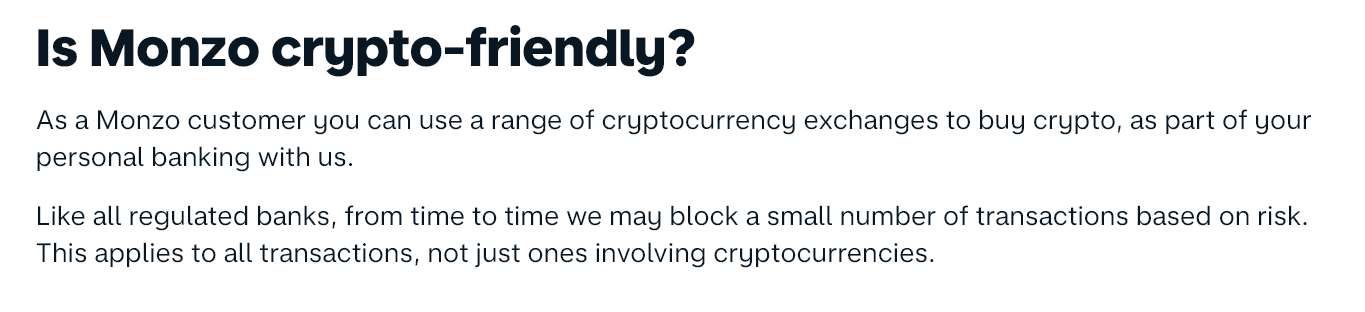
Monzo serves over 9 million users in the United Kingdom. Unlike its peers, it does not offer native crypto trading.
Instead, it allows users to interact with external crypto platforms while maintaining strict controls around fraud and compliance.
This limits direct adoption within the app. However, Monzo’s approach reflects a cautious strategy, prioritizing user protection over rapid crypto expansion.
5. Lydia — Niche but Engaged
Lydia operates primarily in France with more than 7 million users, focusing on younger, mobile-first customers.
It provides crypto access through partner integrations, enabling users to buy and hold digital assets within a familiar payment app environment.
While its geographic reach remains limited, Lydia benefits from strong engagement. Its user base interacts frequently with financial features, creating a natural pathway for crypto adoption.
What This Ranking Shows
European neobanks are no longer competing on access alone. Most now offer some form of crypto integration.
The difference lies in scale, product depth, and how seamlessly crypto fits into everyday banking.
Revolut leads with a full-featured ecosystem. N26 and bunq focus on accessibility and expansion. Monzo and Lydia take more cautious or niche approaches.
Together, they show a clear shift. Crypto is becoming a standard feature inside European banking apps, moving from optional add-on to an integrated financial service.
The post Top 5 European Neobanks Bringing Crypto Mainstream appeared first on BeInCrypto.